Access limits and van size solutions for Kennington removals
Posted on 13/06/2026
Kennington removals can look straightforward on paper, then the reality hits: tight streets, awkward stairwells, parking restrictions, low doorways, basement steps, and a van that is somehow too big and too small at the same time. If you are trying to work out Access limits and van size solutions for Kennington removals, you are in the right place. The goal is simple enough - get everything out safely, without delays, damage, or a last-minute panic in the rain - but the route there needs a bit of planning.
This guide breaks down how access affects van choice, what to check before moving day, and which solutions actually work in Kennington's mix of flats, terraces, mews-style streets, and busier roadside spots. It is written to help you make a sensible decision, not a perfect one. Truth be told, moving rarely goes perfectly. But it can go smoothly enough.
Why access limits and van size solutions for Kennington removals matter
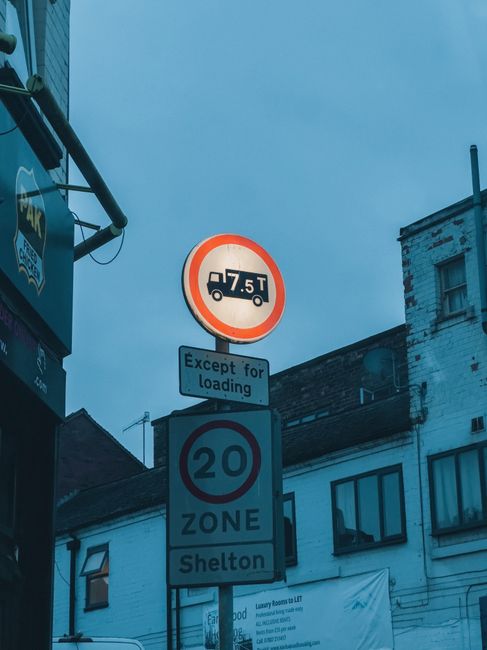
Access is not a side issue in Kennington. It often decides the whole move. A van that is fine on a wide suburban road can become a headache on a narrow street with parked cars on both sides. Add in a top-floor flat, a shared entrance, or a staircase with a sharp turn halfway up, and suddenly the "one van, one trip" plan starts to wobble.
The reason this matters is simple: the wrong vehicle creates knock-on problems. You may need extra labour, more shuttle runs, a longer loading window, or even a change of vehicle at the last minute. That usually means more stress, more handling, and sometimes more cost. Nobody wants to realise this while furniture is already halfway down the stairs.
Kennington has plenty of properties where access is manageable but not generous. If you live in a flat above a shop, a Victorian terrace with a narrow hallway, or a property near busier routes, the size of the van matters almost as much as the number of boxes. The trick is matching the vehicle to the reality outside your front door, not just the amount of stuff inside it.
For people researching broader move options, it can also help to look at removal services in Kennington and see how different service levels handle access planning. Some moves need a small van and multiple runs. Others need a larger vehicle parked legally with a short carrying distance. Both can work. The wrong one, though, gets expensive fast.
How access limits and van size solutions for Kennington removals work
In practice, the process starts with measuring the move space, then matching it to a vehicle and loading method. That sounds plain, but it is where a lot of people trip up. A move is not only about cubic space in the van. It is also about how easy it is to load, where the van can stop, and whether items can pass through doors, stairwells, courtyards, or gate entrances without scraping paint off the walls.
A good plan usually looks at four things:
- Street access: Can a van stop close enough to the entrance?
- Property access: Are there stairs, lifts, narrow halls, or tight corners?
- Item size: Can your biggest pieces physically fit through the route?
- Load strategy: Is it better to use one larger van, a smaller van, or a shuttle system?
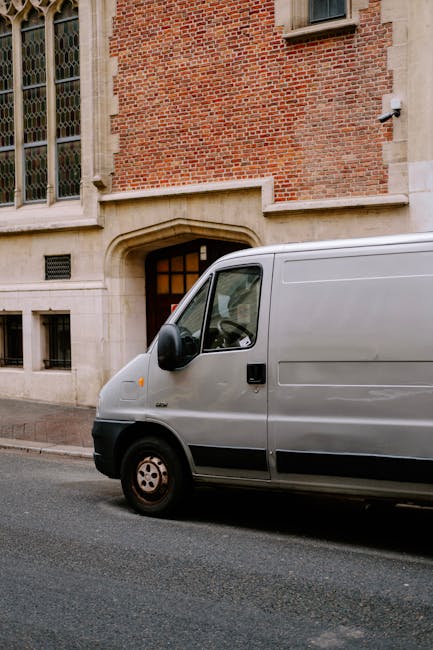
In many Kennington moves, especially around flats and terraces, the best solution is not automatically the biggest van. Often it is the van that can legally and safely get closest to the door. That may be a smaller removal van, a man and van setup, or a larger van used with careful timing and a short carry. A practical team will usually ask questions first, not guess. That part matters more than people realise.
If you are moving from a flat, you might also want to read about flat removals in Kennington, because flat access and vehicle choice go hand in hand. A top-floor flat with a narrow staircase is a different job from a ground-floor maisonette. Obvious, really, but easy to overlook when you are busy packing kitchen drawers at 10pm.
Sometimes the answer is a split load. Sometimes it is a smaller van with more efficient packing. Sometimes it is storage first, move later. There is no single magic formula, which is mildly annoying, but it does mean the solution can be tailored.
Key benefits and practical advantages
Getting the access plan and vehicle size right brings benefits that are easy to underestimate until moving day is already underway.
- Less risk of damage: Fewer tight turns, less rushing, and less chance of furniture bumping walls or railings.
- Better timing: If the van fits the access, loading usually moves quicker and with fewer pauses.
- Lower stress: You are not improvising under pressure, which is a relief when the kettle has already been packed.
- Smarter cost control: The right size vehicle can reduce wasted journeys or unnecessary labour time.
- Safer handling: Heavy items are easier to move when the carrying route is short and planned.
There is also a quieter benefit: confidence. When the access plan is sensible, the whole day feels less chaotic. You know where the van is going to stop, who is carrying what, and what happens if a parking bay is occupied or a stairwell is too tight for a sofa. Small thing? Maybe. But on a moving day, small things become large very quickly.
For people moving larger households, it can be worth comparing this with a more traditional house removals service. House moves often involve more furniture, more packing volume, and more load planning, so access becomes even more important. The principle is the same; the stakes just get a bit higher.
Who this is for and when it makes sense
This topic matters to almost anyone moving in or out of Kennington, but especially if your property has a few access quirks. You will probably find it useful if you are:
- moving from a flat with shared stairs or a small lift
- living on a street where parking is tight or heavily used
- moving a family home with bulky furniture
- transporting awkward items such as wardrobes, beds, sofas, or a piano
- trying to organise a same-day or short-notice move
- working around school runs, commuting hours, or building access windows
Students often need smaller, more flexible vehicle solutions, especially if they are moving into or out of compact accommodation. If that sounds familiar, a look at student removals in Kennington may help you see how lighter loads and tighter access are commonly handled.
It also makes sense for anyone who is unsure whether a full-size van is actually necessary. People often assume bigger is better. Sometimes it is. But just as often, a vehicle that is too large creates its own problems, especially where roads are narrow or parking space is limited. What's the point of extra capacity if the van cannot stop near the property?
Step-by-step guidance
- Assess the access route. Walk from your front door to the street and notice the details: steps, gates, tight bends, low ceilings, lifts, and places where two people cannot comfortably pass each other with a mattress.
- Measure the largest items. Write down the dimensions of beds, wardrobes, sofas, mirrors, and anything fragile or oddly shaped. A tape measure is boring, but very useful.
- Check parking and stopping options. Decide where the van can legally and safely wait. If the nearest space is a long carry away, factor that in early.
- Match vehicle size to the route. A smaller van may be better for a difficult street; a larger van may be better if the access is clear and the load is substantial.
- Decide whether one trip is realistic. If not, plan a shuttle load or a second run. Better to know now than at 4:30pm with half a sofa still inside the hallway.
- Confirm whether specialist handling is needed. Some items, like uprights or heavy cabinets, may need more than just extra hands. For heavier or delicate items, a dedicated service may be wiser.
For example, if your move includes a valuable instrument, the access plan needs to be especially careful. A move that works for boxes may be completely wrong for a piano. If that is part of your situation, it is worth reviewing piano removals in Kennington rather than treating it like a standard furniture move.
One practical rule: if you are hesitating between two van sizes, think about the access first and the volume second. In a busy London setting, the road wins the argument more often than the spreadsheet does.
Expert tips for better results
Here is the part that tends to save people the most grief.
- Measure the widest point, not just the room. A sofa may fit in the van, but it still has to get out of the building first.
- Take photos of the access route. Stairs, entrances, parking spaces, and any awkward corners are much easier to judge from a photo than from a rushed phone call.
- Pack heavier boxes smaller. That makes them safer to carry and easier to stack.
- Keep hallways clear on the day. A cluttered corridor can slow things down more than people expect.
- Use labels for priority items. If the van has to be loaded in sections, the essentials should be easy to find.
- Allow a little slack in the timetable. A five-minute delay is normal. A parking issue in London can become a twenty-minute one before you've blinked.
Here is a very real, very ordinary scenario: a mover arrives at a Kennington terrace just after 8am, only to find the easiest stop is already blocked by another vehicle. The access is still workable, but now the loading route is longer than expected. If you had chosen a van size with that in mind, the difference would be tiny. If you had not, the whole schedule starts to sag. That's the sort of thing people only notice once they've lived through it.
If you are building a bigger move plan around packing quality, the right boxes matter too. Have a look at packing and boxes in Kennington if you want to reduce avoidable handling issues. Good packing and good access planning go together. They just do.
Common mistakes to avoid
Some mistakes come up again and again, and they are usually avoidable. A bit annoying, but true.
- Booking a van on size alone. Capacity is useful, but access can override it completely.
- Ignoring loading distance. A van parked three houses away changes the job more than you might think.
- Not checking stair width. This is where a bed frame or sofa can suddenly become a problem.
- Assuming the lift will be available. In shared buildings, that is not always a safe bet.
- Leaving bulky items until last. Then the van is already partly loaded and the awkward piece becomes the villain of the day.
- Forgetting about timing restrictions. Some streets are busy at the worst possible times, and a "quick stop" can become a long wait.
There is another one that is less obvious: failing to mention the awkward details when you book. The narrow gate. The steep basement steps. The neighbour's van that blocks half the road at lunch time. If it feels too small to mention, it probably is not too small. Say it anyway.
For larger jobs, it can also be sensible to compare providers and service models before committing. That way, you are not forced into a bad fit because the first option sounded convenient. You can read more about broader service choices through removal companies in Kennington and understand how different firms may approach access in different ways.
Tools, resources and recommendations
You do not need fancy kit to get this right, but a few simple tools make a big difference.
- Measuring tape: Essential for furniture, doorways, hallways, and stair turns.
- Phone camera: Useful for documenting tight access, parking conditions, and item size.
- Box labels: Help keep loading order clear if the move involves multiple trips.
- Floor plan or rough sketch: Handy when explaining the layout to the removal team.
- Basic packing materials: Tape, wrap, blankets, and sturdy boxes reduce damage risk.
As for internal planning resources, the most useful pages are usually the ones that clarify the shape of the move, not just the destination. A good starting point is the services overview, especially if you are weighing up whether you need a straightforward man-and-van setup or something more tailored.
In some cases, storage is the bridge between access problems and the actual move date. This happens more than people think: you move the bulk of the contents first, then return for the awkward extras once the property access is easier. If that sounds familiar, storage in Kennington may be part of the solution rather than a last resort.
And if you want the simplest route to getting a price that matches your situation, you may want to check pricing and quotes. Access details can make a big difference to the final estimate, so the more accurate the information you share, the more useful the quote tends to be.
Law, compliance and best practice
For removals in London, the practical side of compliance matters even when nobody wants to think about it. Vehicles need to be parked and loaded in a way that respects local rules, road safety, and building access requirements. That means not blocking pavements, not forcing unsafe manoeuvres, and not pretending there is space where there plainly isn't.
Best practice usually includes:
- checking parking restrictions before moving day
- avoiding blocked entrances or unsafe stopping points
- protecting communal areas and shared hallways
- handling heavy items with proper lifting technique
- making sure the vehicle chosen is suitable for the route and the load
If you are comparing providers, it is also sensible to ask about safety processes, insurance cover, and how they handle tight access. A reliable team should be able to explain how they reduce risk without making vague promises. If they sound casual about a tricky staircase or a busy road, that is not a great sign. Let's be honest, you want confidence, not a shrug.
You can also review broader safety expectations through insurance and safety and health and safety policy information. Those pages are helpful because they show the sort of standards a careful move should follow, especially where access is tight and the margin for error is small.
If you value service transparency more broadly, it is worth noting that professional conduct, clear terms, and secure handling all matter. Moves can be physical, yes, but they are also about trust. Quite a lot of trust, actually.
Options, methods, or comparison table
There is no single "best" van solution for every Kennington move. The right choice depends on access, volume, and the kind of items being moved. Here is a simple comparison to make the decision easier.
| Option | Best for | Access considerations | Typical trade-off |
|---|---|---|---|
| Small van | Studios, one-bedroom flats, light loads | Easier to park and manoeuvre on tight streets | May need more than one trip |
| Medium van | Most flat and terrace moves | Good balance of capacity and access | Can still struggle on very narrow streets |
| Larger removal van | House moves, bulkier furniture, combined loads | Works best when stopping space is straightforward | Harder to position in congested areas |
| Split load or shuttle method | Properties with poor access or limited parking | Flexible when the van cannot park close | Usually takes longer |
| Storage-first approach | Moves with timing issues or access constraints | Reduces pressure on one moving day | May require an extra stage |
For many Kennington residents, the middle ground wins. A medium van, well packed, with a realistic loading plan, is often enough. But if access is awkward, smaller can be smarter. Not glamorous. Just smarter.
Case study or real-world example
Imagine a couple moving from a second-floor flat in Kennington to a nearby maisonette. They have a sofa, a bed, six boxes of books, two bicycles, and a dining table that looked modest in the room but somehow grew in confidence once it reached the staircase. The road outside has limited waiting space, and there is a constant trickle of traffic.
If they booked the biggest available van, they might still end up parked awkwardly or some distance away. That would mean a longer carry, more time, and more strain on the team. Instead, a smaller or medium van parked close enough to the entrance could actually be the better choice. Two short runs, or one well-planned run plus a bit of staged loading, may be cleaner than forcing everything into one oversized vehicle.
In this kind of move, the winning combination is usually:
- accurate item measurement
- honest access description
- vehicle size matched to the street
- loading order planned in advance
That may not sound dramatic, but it works. And on a wet Tuesday morning, with someone holding a door open while you navigate a chest of drawers, "works" is exactly what you want.
Practical checklist
Use this as a quick final check before you book or confirm the van size.
- Have I measured my largest furniture items?
- Do I know the width of the tightest doorway, stair turn, or corridor?
- Is there legal stopping or parking space near the property?
- Will the van be able to get close enough to reduce carrying distance?
- Are there stairs, lifts, or shared access areas to factor in?
- Do I need special handling for heavy, fragile, or valuable items?
- Is a small, medium, or larger van more realistic for the street?
- Would storage or a split-load plan reduce stress?
- Have I told the mover about every awkward access detail?
- Have I reviewed the service, safety, and pricing information first?
If you can tick most of those off, you are already ahead of the game. Really, you are. Many people don't. They just hope the van turns up and everything fits. Which, to be fair, is a brave strategy - but not a good one.
Conclusion
Access planning and van sizing are not background details in Kennington removals. They are central to how smoothly the day goes. When you account for road access, stair access, parking, and item size together, the move becomes much easier to manage. Sometimes the best solution is a smaller van. Sometimes it is a larger one used carefully. Sometimes it is a shuttle or storage-based plan. The point is to choose the method that fits the property, not just the inventory.
That approach saves time, reduces stress, and usually makes the whole move feel more controlled. And honestly, control is underrated on moving day. A little preparation now can spare you a lot of noise, lifting, and last-minute rethinking later.
If you are still weighing up the best option for your property, the next sensible step is to compare your access details with the service you need and ask for a tailored plan rather than a generic one. That is often where the difference is made.
Get a free quote today and see how much you can save.